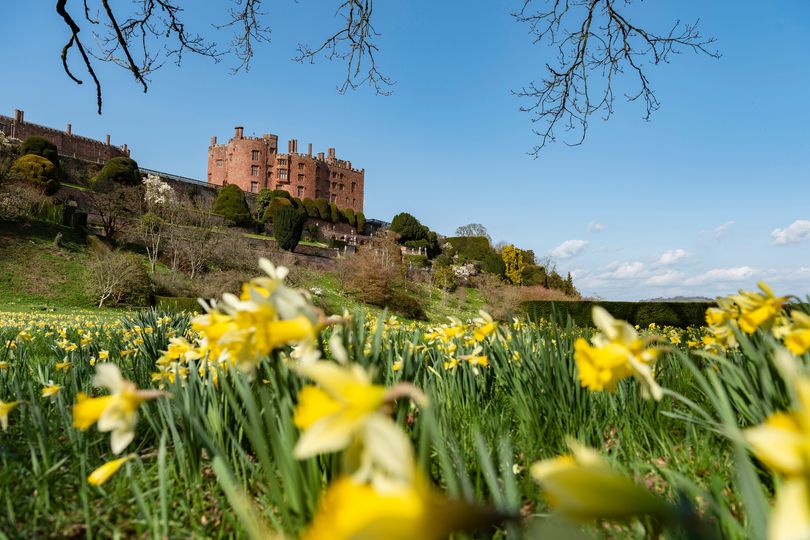
Wales is known as the “land of castles” and has over 600 to choose from for a historic day out. One particular castle you should add to your bucket list has lovely spring blooms and an on-site cafe selling coffee and cake.
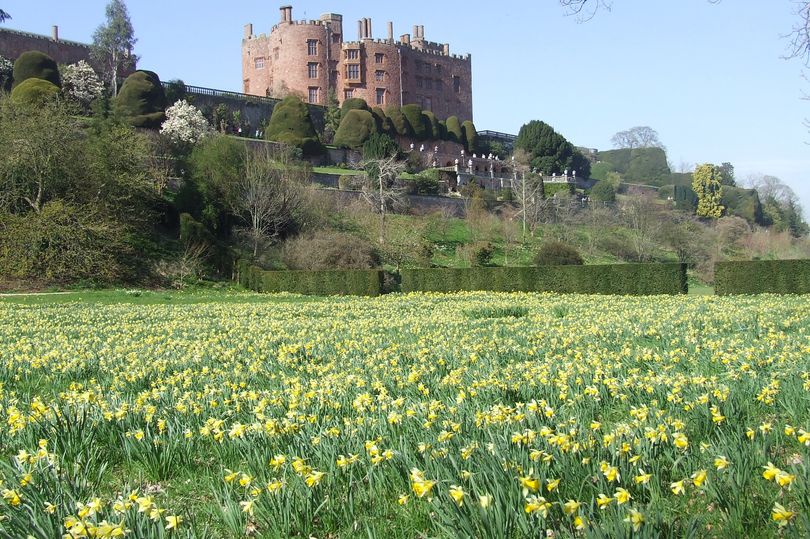
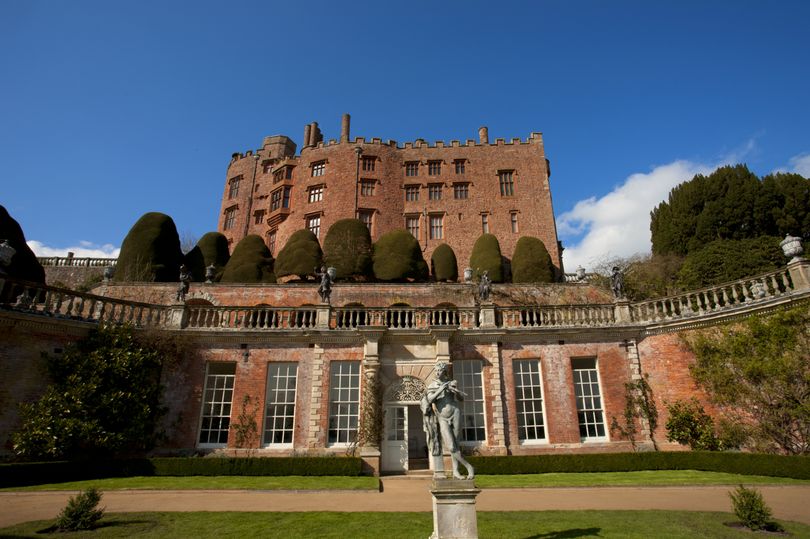
The 13th-century Powis Castle and Garden is a brilliant spot for a spring visit to admire vibrant, colourful flowers including daffodils. The formal Italianate-style and herbaceous borders are also well-known for their spectacular displays and yew-hedge pathways, and draw many horticulturally minded visitors.
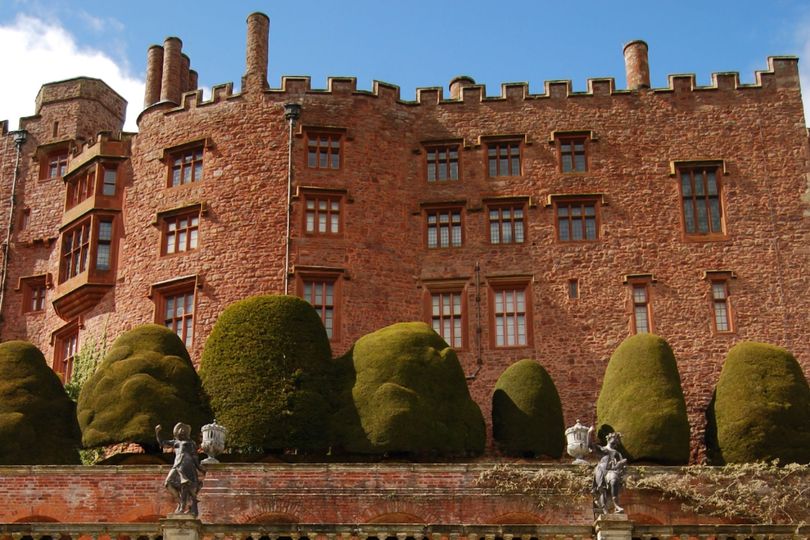
Originally built in the 12th century, Powis Castle began life as a medieval fortress and is the only Welsh castle to have remained continuously inhabited throughout its history.
- Flying to Dubai or Cyprus? How safe it is and what your rights are
- Advice issued to tourists in Cyprus after drone attack on RAF base
The formal gardens, created between 1688 and 1722, are also the only surviving examples from this period to have been kept in their original form in Britain. You’ll find it overhung with clipped yews, rare and tender plants, century-old apple trees, colourful rose beds, and a peaceful woodland area to explore. Today, it’s cared for by National Trust Cymru and open to the public.
It’s not just a scenic spot; the castle has significant historical significance and was part of the kingdom of Powys, known as ‘the paradise of Wales’.
According to the National Trust, the fortress was built in the mid-13th century by a Welsh prince, Gruffudd ap Gwenwynwyn, who wanted to establish his independence from his traditional enemies, the aggressive princes of Gwynedd (North Wales).
This contrasts with North Wales’s other grand defensive castles (such as Caernarfon, Harlech, and Conwy), which the English built to consolidate Edward I’s conquest of Wales from 1277 to 1283.
Controversially, Gruffudd sided with King Edward I of England during a critical time in Wales’s fight for independence.
By the late 13th century, Llywelyn ap Gruffudd of Gwynedd had established himself as Prince of Wales, and in 1274 he destroyed Powis Castle, forcing Gruffudd ap Gwenwynwyn into exile.
However, within three years, Llywelyn’s principality had crumbled, leaving Gruffudd of Powys able to regain his lordship and rebuild the castle.
Gruffudd, his son, and his grandson had all died by 1309, and, with no male heir, the castle and lordship passed to an heiress. In the following centuries, it was destroyed, rebuilt, attacked, and repaired again in various power struggles.
In 1578, Powis was leased to the Herbert family, and it remained in their hands until 1952, when George, 4th Earl of Powis, bequeathed the castle and gardens to the National Trust, which still manages the site. For the biggest stories in Wales first sign up to our daily newsletter here
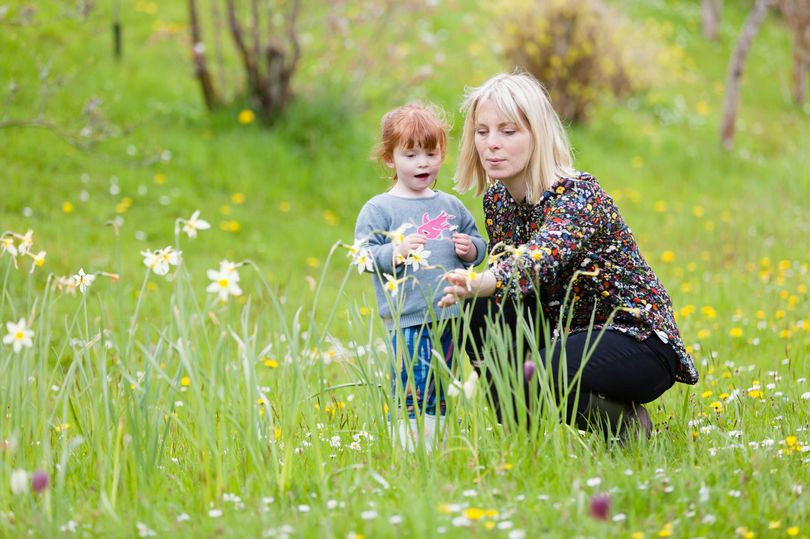
With the castle and gardens under their guardianship, it has become a brilliant day out for history fans and families, especially when the daffs are in full bloom.
Visitors can explore the Grade I-listed gardens with 17th-century Italianate terraces and the castle’s exquisite interiors and stop by the courtyard cafe for a brew and a cake.
Inside the castle, intricate state rooms house a wealth of historical treasures, including paintings, tapestries, furniture, sculptures, and textiles from Europe, India, and East Asia.
The expert team at Powis Castle cares for one of the world’s most significant collections of art and historical objects, and the castle today reflects the visions and ambitions of the powerful families who resided here.
G.F. Bodley, a Gothic Revival architect, transformed the State Dining Room into a richly decorated Jacobean-style dining room, and today, family portraits still hang in ornate settings.
Located at the top of the Grand Staircase and known in Elizabethan times as the Great Chamber or Saloon, the Blue Drawing Room is where illustrious guests would eat, drink, and be entertained.
The room hasn’t changed much since 1705, when Gerard Lanscroon was commissioned to paint the ceiling, and many of its decorative features can still be marvelled at today.
Sleeping quarters are just as fancy. The state bedroom, adorned with gilded mahogany and covered in crimson silk cut velvet, was designed to accommodate royal visits.
One of the more unusual quirks of this castle-turned country house is that it holds one of the UK’s most significant collections of South Asian artefacts, dating from about 1600 to the 1830s.
This extensive collection, assembled by two generations of the Clive family during the British colonisation of India, features objects shipped to Britain and brought to Powis Castle in the 1800s and 1900s.
The museum houses more than 1,000 South and East Asian items, including ivories, textiles, statues of Hindu gods, ornamental silver and gold, weapons, and ceremonial armour.
Noteworthy artefacts include a golden figurehead in the likeness of a tiger. Embossed with gold leaf and set with diamonds, rubies and emeralds, it would have decorated the throne of Tipu Sultan, ruler of Mysore.
The present Clive Museum, which opened in 1987, occupies the old Billiard Room.
The National Trust writes on its site that the collection “remains a symbol of Britain’s colonial past and represents the ongoing impacts of colonial and imperial legacies in the twenty-first century”.
They added: “Our research is ongoing, and we are accelerating plans to reinterpret the stories of the painful and challenging histories attached to Powis Castle.”
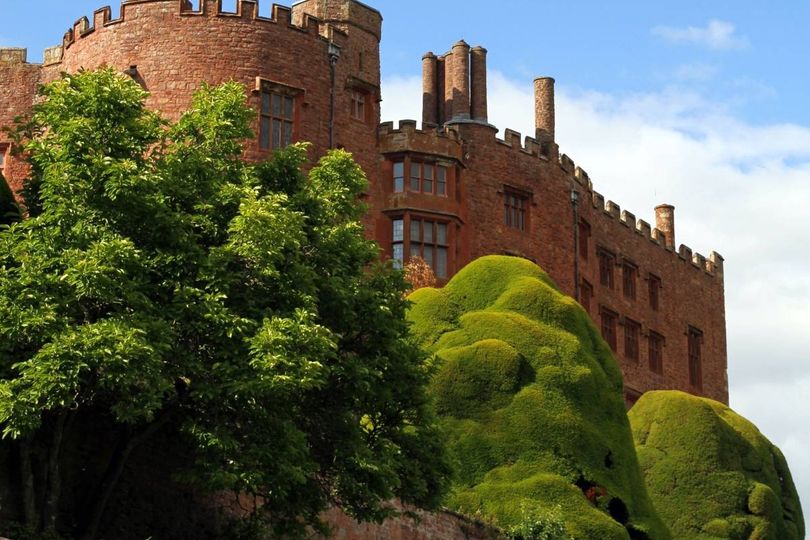
Below the medieval castle is one of the finest gardens in Britain, featuring Italianate terraces, an orangery, and an Edwardian formal garden. It’s an ideal spot for a spring walk in Wales.
Wander the scent-filled grounds and spot herbaceous borders, climbing roses, and avenues of ancient apple trees, which give these manicured gardens a historic feel.
Look for the wooded ridge opposite the castle, known as the ‘wilderness’. It’s less formal than the rest of the garden and is ideal for a woodland walk in a peaceful setting. Peacocks can often be seen roaming freely around the site, and in an adjacent park, you can spot red and fallow deer too.
After you’ve been exploring the castle at Powis or traversing the terraces, refuel with a little treat from the Courtyard Café. Located in former stables, the cafe serves hot lunches, sandwiches, snacks, cakes and hot and cold drinks.
If the Welsh weather is behaving, you can also dine al fresco and enjoy a fabulous castle view from courtyard tables. There’s also a garden coffee shop located in the Edwardian formal garden.
It’s the perfect spot for a post-walk cream tea and cuppa surrounded by greenery. Make sure to get a slice of delicious bara brith when you visit; the recipe is apparently a closely guarded secret!
The castle has varying opening hours and prices depending on the season. NT members visit for free, and family tickets (2 Adults and up to 3 children) costs £49.50 in peak season.
For more information, visit the National Trust website.
Leave a Reply